
Heritage of Bunt Community and Their Impact on Bunt Marriage
Heritage of Bunt Community and Their Impact on Bunt Marriage
Introduction
The Bunt community, primarily located in the coastal districts of Karnataka, India, is renowned for its distinctive cultural heritage and social structure. Their unique traditions and customs, especially those related to marriage, serve as a testament to the community’s enduring legacy and adaptability. As a matrilineal society, the Bunts have developed a rich tapestry of rituals and practices that not only define their identity but also influence their matrimonial alliances in profound ways. This article explores the heritage of the Bunt community and examines how their cultural legacy shapes the institution of marriage, reflecting broader themes of kinship, social cohesion, and the preservation of traditional values.
The Heritage of the Bunt Community
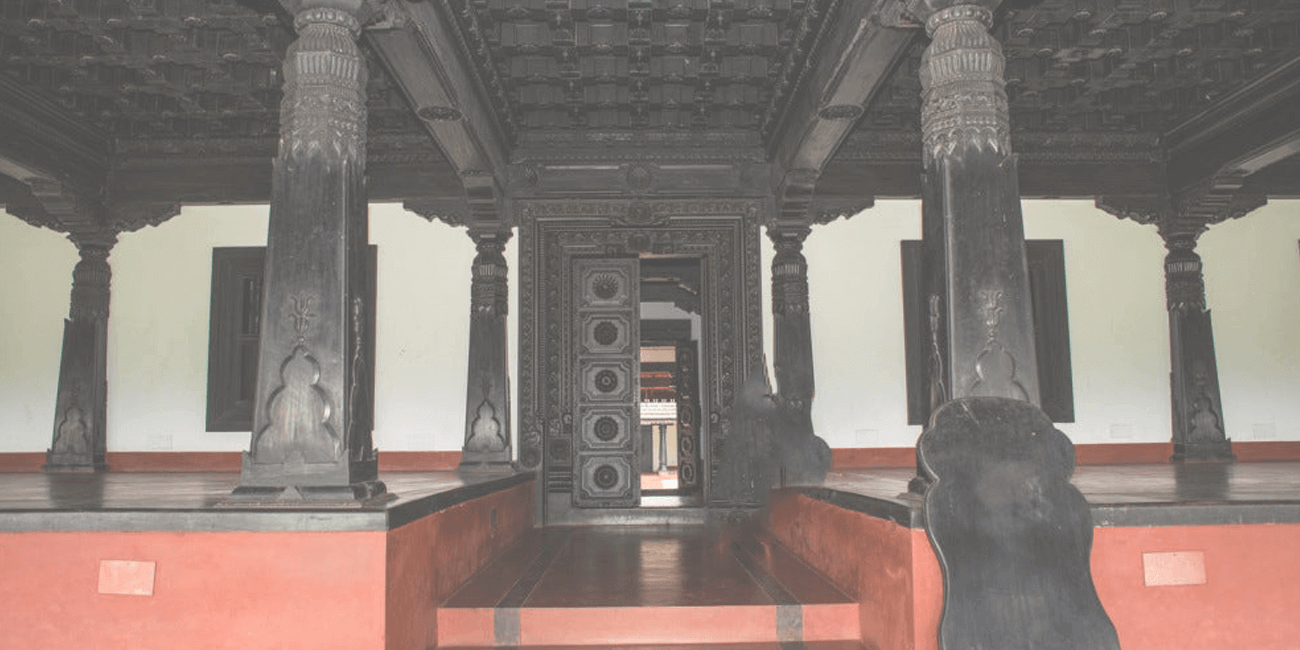
The Bunts are historically recognized as a landed gentry and warrior community, with deep roots in the Tulu-speaking regions of Karnataka. Their heritage is characterized by a strong emphasis on social hierarchy, clan affiliations, and the practice of matriliny. Traditionally, the Bunt society is organized into various clans or ‘bari’, which form the basis of social organization and identity. These clans are exogamous, meaning that individuals are prohibited from marrying within their own clan, thus ensuring genetic diversity and strengthening inter-clan relationships.
Matriliny, or inheritance through the female line, is a defining feature of Bunt heritage. Property and lineage are traced through the mother, and ancestral homes are often presided over by the senior-most female member. This system fosters a unique family structure, with women playing central roles in household management and decision-making. It also influences the transmission of cultural knowledge, with traditions and rituals often passed down through generations of women. The Bunt community’s heritage is further enriched by its artistic expressions, including folk dances, traditional music, and elaborate rituals that celebrate key life events.
Social Structure and Its Influence on Marriage
The social structure of the Bunt community has a direct and significant impact on their marriage customs. The exogamous clan system ensures that matrimonial alliances are carefully negotiated to uphold social harmony and maintain the integrity of clan identities. Marriages are not just unions between individuals but are considered alliances between families and clans, reinforcing social networks and facilitating cooperation within the broader community.
In the Bunt tradition, marriage negotiations are typically initiated by elders, who take into consideration factors such as clan compatibility, social standing, and the reputations of prospective families. Given the matrilineal inheritance system, there is a strong emphasis on the suitability of the bride in terms of her ability to manage household affairs and uphold familial traditions. The selection process is meticulous, reflecting the community’s commitment to preserving its cultural values and ensuring the well-being of future generations.
Rituals and Customs in Bunt Marriages
Bunt marriages are marked by a series of elaborate rituals that reflect the community’s reverence for tradition and social order. Pre-wedding ceremonies, such as ‘nischaya tambula’ (engagement), involve formal agreements between families and the exchange of symbolic gifts. These rituals serve to publicly affirm the alliance and establish bonds of trust and reciprocity.
The wedding ceremony itself is a vibrant affair, characterized by distinctive customs and symbolism. Traditional attire, music, and dance play integral roles, with each element carrying specific meanings rooted in Bunt heritage. The rituals are presided over by family elders, whose blessings are considered essential for a prosperous union. One of the unique aspects of Bunt weddings is the ‘madime’, or communal feast, which brings together members of various clans and serves as a celebration of collective identity.
Post-wedding customs further reinforce the matrilineal ethos of the community. The bride often assumes significant responsibilities in her new household, with the support of her maternal relatives. The transition is marked by rituals that symbolize the continuity of lineage and the integration of the bride into her husband’s family, while still maintaining strong ties to her maternal clan.
Preservation and Adaptation of Heritage
While the Bunt community has steadfastly preserved its core traditions, it has also demonstrated remarkable adaptability in the face of social and economic changes. Urbanization, education, and exposure to global influences have led to the evolution of certain marriage practices, such as increased agency for individuals in choosing their partners and the incorporation of modern elements into wedding ceremonies. However, the underlying principles of matriliny, clan exogamy, and the importance of familial alliances continue to guide matrimonial customs.
The community’s ability to balance tradition and modernity is evident in the ongoing relevance of its marriage rituals. Efforts to document and celebrate Bunt heritage, through cultural festivals and scholarly research, have further contributed to the resilience of these customs. In this way, the heritage of the Bunt community remains a living tradition, continually shaping and being shaped by the institution of marriage.
Conclusion
The heritage of the Bunt community is a rich and multifaceted legacy that profoundly influences its marriage customs. Through the interplay of matriliny, clan organization, and elaborate rituals, Bunt marriages serve as a microcosm of the community’s values and social dynamics. While adapting to contemporary realities, the Bunts have managed to uphold the essence of their heritage, ensuring the continued vitality of their cultural identity. The impact of Bunt heritage on marriage thus exemplifies the enduring power of tradition to shape social institutions and foster communal bonds across generations.
