
Blog
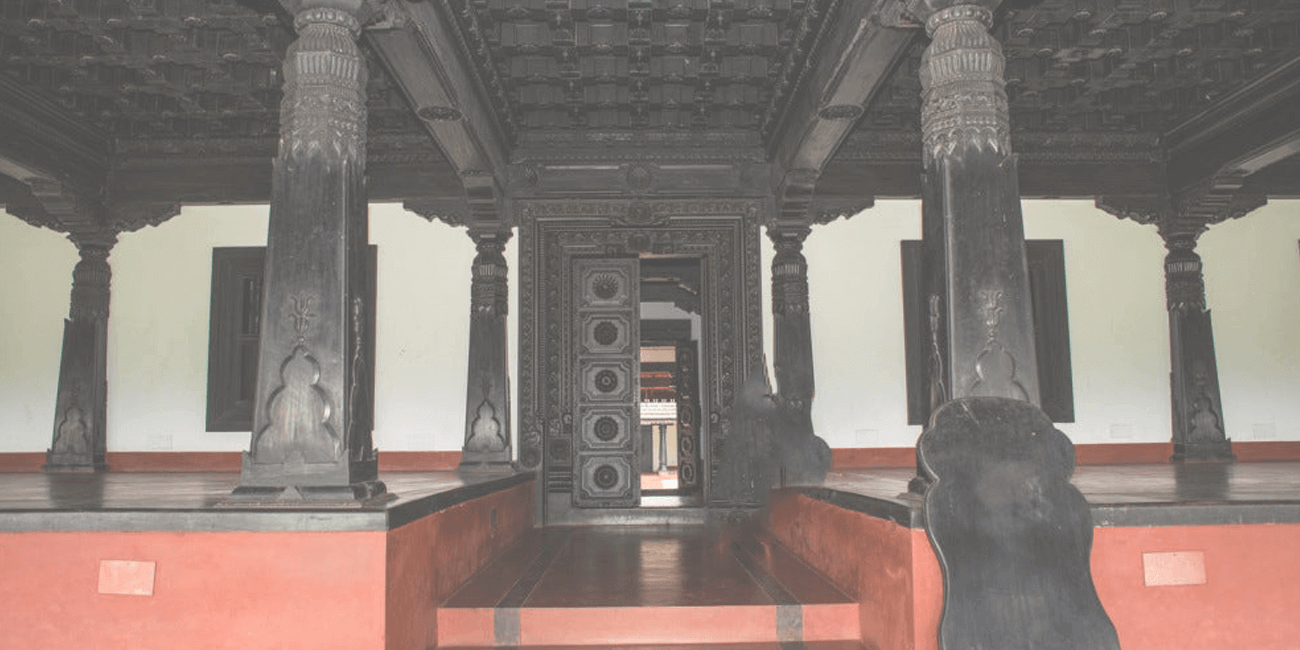
Heritage of Bunt Community and Their Impact on Bunt Marriage
The Bunts are historically recognized as a landed gentry and warrior community, with deep roots in the Tulu-speaking regions of Karnataka. Their heritage is characterized by a strong emphasis on social hierarchy, clan affiliations, and the practice of matriliny. Traditionally, the Bunt society is organized into various clans or ‘bari’, which form the basis of social organization and identity.
View More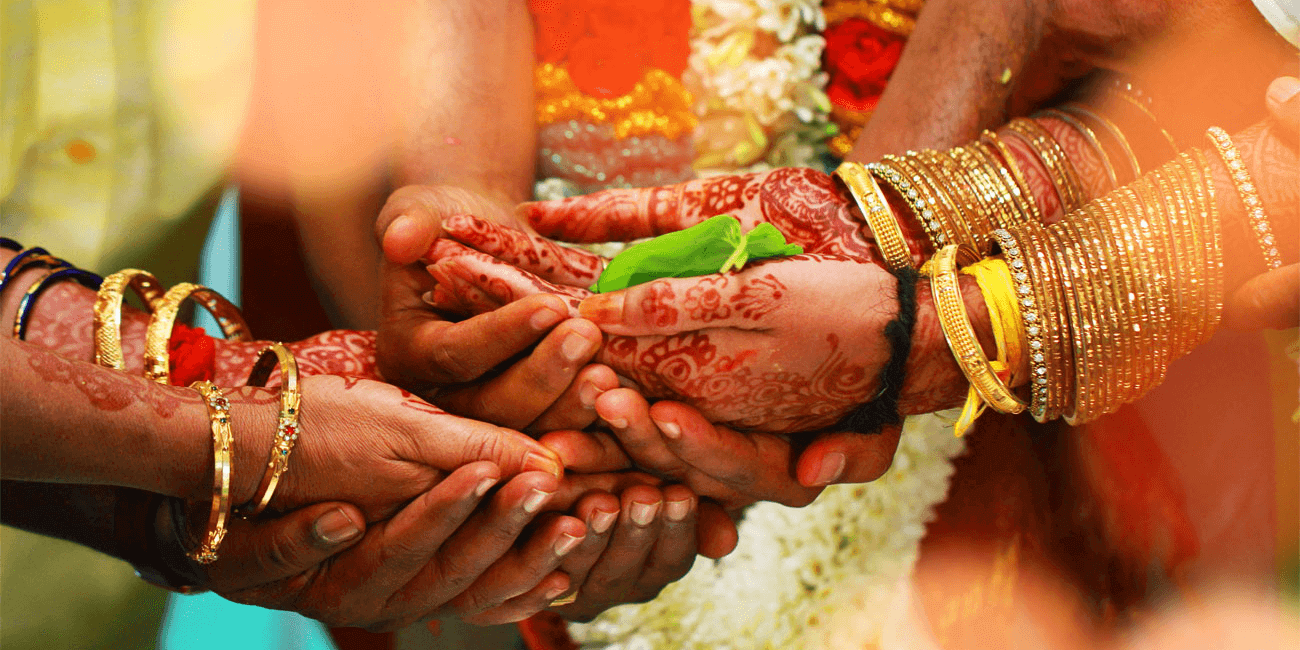
Aliyasantana: The Matrilineal Legacy of the Bunt Community
The Bunt community of coastal Karnataka, India, has long been recognized for its unique social structures and vibrant cultural heritage. Central to the identity and continuity of this community is the system of “Aliyasantana,” a matrilineal inheritance practice that distinguishes the Bunts from many other Indian communities. The Aliyasantana system has shaped familial relationships, property rights, and social hierarchies for centuries, serving as a pillar of communal strength and resilience.
View More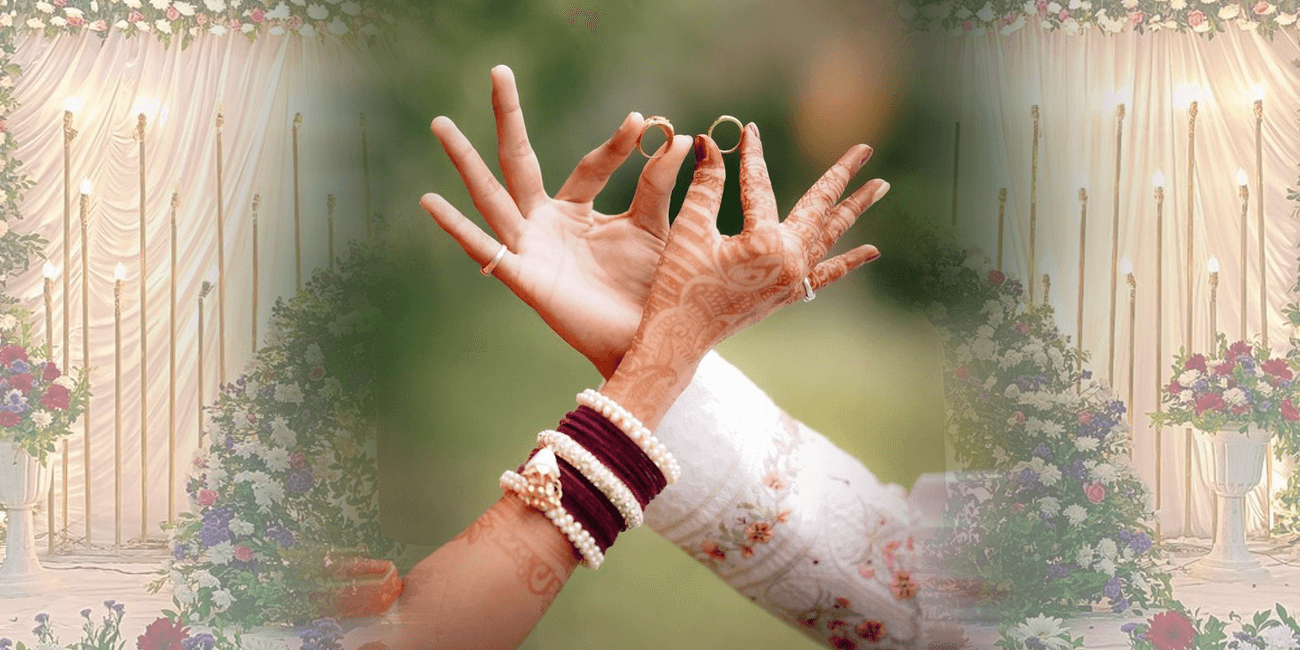
Tying the Sacred Knot: Matrimonial Relations in the Bunt Community of Coastal Karnataka
The roots of Bunt matrimonial relations are embedded in their traditional matrilineal system known as “Aliyasantana.” Under this system, lineage and inheritance are traced through the female line, distinguishing the Bunts from many other Indian communities that follow patrilineal descent. The Aliyasantana system profoundly influences matrimonial alliances, as it places significant importance on the maternal clan, or “Bari,” which governs exogamy rules. Members of the same Bari are strictly prohibited from marrying each other, thereby promoting broader social cohesion and alliances among different lineages.
View More